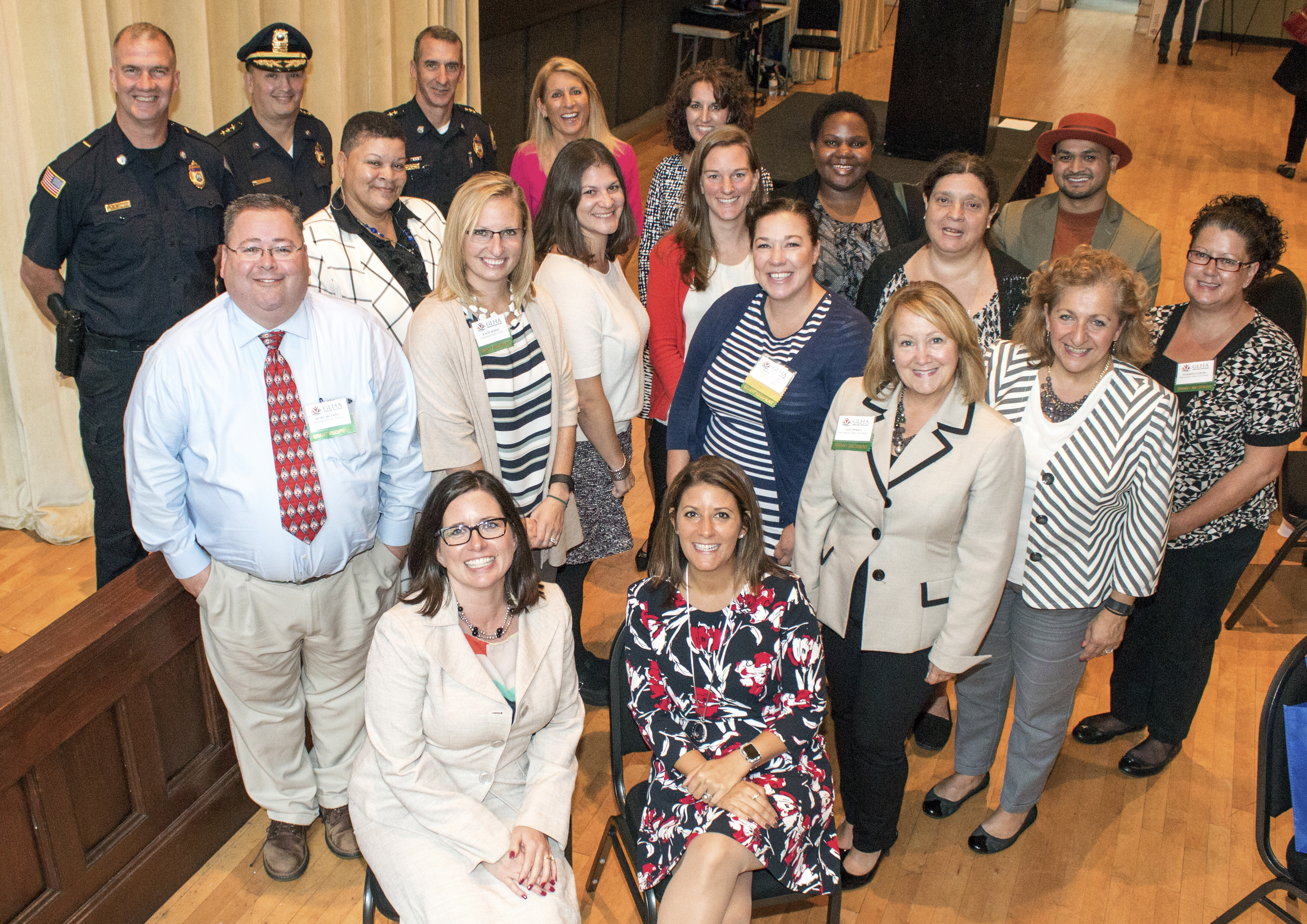
GLHA Announces 2025/2026 Grant Recipients

GLHA 2025/2026 COMMUNITY HEALTH INITIATIVES GRANTS

The GLHA is proud to announce the grant awards for the fall of 2025 to support programs and services to improve the overall health of the Greater Lowell community.

The Greater Lowell Health Alliance offers grants to support programs and services to improve the overall health of the Greater Lowell community. To date, we have distributed more than $2.5 million in grants to organizations on the front lines of addressing unmet health needs thank to money allocated by Lowell General Hospital through the hospital’s Determination of Need process for its 2010 campus expansion.

This year grants were awarded around the health priorities and programs that meet specific areas of focus identified by the GLHA’s 2025 Community Health Improvement Plan (CHIP) process. This years funds were prioritized by the following health topics below:

  • Accessibility
  • Chronic Disease
  • Mental Health
  • Safety & Violence
  • Substance Use and Prevention

Grants were announced at this years Annual Breakfast on Friday November7, 2025.  Congratulations to this years awards! 

AgeSpan-Mind & Body Wellness for Older Adults in Public Housing – $14,687

Mind and Body Wellness for Older Adults in Public Housing is a collaboration between AgeSpan and local Housing Authorities to address and improve the mental health of approximately 420 residents at three public housing apartment buildings in Billerica, Chelmsford, and Tewksbury that provide Supportive Housing for low-income individuals over age 60 and individuals under 60 with a disability. The goal of the Supportive Housing model is to offer the services necessary to enable residents to maintain their highest level of independence in a community environment and to safely age in place. In partnership with the local Housing Authorities, AgeSpan provides an embedded Resident Services Coordinator (RSC) to coordinate and facilitate services and activities, working closely with resident older adults and with other community organizations to help provide for physical, social, and emotional well-being.

Boys & Girls Club of Greater Lowell- Club Love on Wheels Youth Food Truck Expansion – $15,000

Boys & Girls Club of Greater Lowell will meet a community need of food insecurity by supporting an expansion of outreach with “Club Love on Wheels,” our food truck that distributes free healthy light meals and substantial snacks to youth in Lowell. “Club Love on Wheels” will target each week an average of at least 100 youth, ages 8 to 18, who live in predominantly low-income neighborhoods in Lowell. The food truck will run for a total of 37 weeks during the 2025-2026 School Year and Summer 2026. The food truck will travel to predominantly low-income neighborhoods in Lowell, making stops at schools at dismissal times, city parks and splashpads, and other places where youth gather. Staff will distribute free light nutritious meals or substantial snacks, such as fruit smoothies, burritos, and empanadas prepared by the Boys & Girls Club of Greater Lowell Nutrition Manager. Each meal or snack will contain at least one protein and at least one fruit or vegetable serving.

Butler Middle School-Building Resilience: Mental Health Support for Youth and Immigrant Students at Butlter Middle School – $5,000

This project aims to enhance mental health support and social integration for youth and immigrant students, including refugees, at Butler Middle School, addressing the intersecting challenges of poverty and mental health disparities. Through targeted biweekly culturally responsive peer support groups, and culturally sensitive outreach, the program will empower students to build resilience, improve wellbeing, and foster a supportive and inclusive school environment. Additionally, the project will provide migrant and low-income students with opportunities for outings and participation in activities that they might otherwise be unable to afford, supporting social connection and community engagement. 

Clear Path for Veterans NE-Veteran Behavioral Health Wellness Initiative: Expanding Comprehensive Mental Health Support in Greater Lowell – $17,500 

The Veteran Behavioral Health Wellness Initiative will utilize GLHA funding to expand Clear Path NE’s existing Comprehensive Wellness Program to serve veterans in the Greater Lowell area better, specifically targeting those experiencing behavioral health challenges, including PTSD, TBI, MST, depression, anxiety, and substance use disorders. The project will serve an estimated 25 additional veterans over the 12-month grant period, building upon the 123 veterans from CHNA 10 communities already served in Fiscal Year 2024. This grant-funded expansion addresses specific barriers veterans face in accessing behavioral health care, including stigma associated with seeking help, lack of trust in civilian providers, transportation challenges, and financial constraints. The enhanced program will deliver evidence-based interventions through a holistic approach that combines peer support, wellness activities, and community integration. Services will include structured group wellness sessions, peer mentoring, therapeutic activities incorporating

Ironstone Farm- Equine Assisted Experiences Program in partnership with Riverbend – $10,000 

This program supports individuals in early recovery from Substance Use Disorder (SUD) and Alcohol Use Disorder (AUD) by providing a non-clinical space for emotional regulation, connection, and skill development. Through this grant, Ironstone Farm will provide five three-hour EAE sessions to 10 clients referred through Riverbend between October 2025 and September 2026. During each session, participants engage in structured, horse-facilitated activities designed to: ● Reduce symptoms such as anxiety, craving, and emotional distress ● Build mindfulness, communication, and leadership skills ● Strengthen emotional resilience and self-esteem

LASA Foundation- Mitigating Food Insecurity & Free Medical Clinic – $20,000

  1. Food Pantry: Specific: Increase the number of unique households served by the food pantry by 50%. Measurable: Track the number of unique household sign-ins at each distribution event. Achievable: Partner with grocery stores and optimize volunteer scheduling Relevant: Expand reach to up to 20 individuals and families experiencing food insecurity. Time-bound: Achieve the 50% increase by September 2026.
    B. Meals for Shelters Specific: Increase the number of nutritious meals distributed to local homeless shelters by 30%. Measurable: Track the total number of meals prepared and delivered to each shelter bi-weekly. Achievable: Optimize meal preparation processes, recruit additional volunteers for cooking and delivery, and secure new food donations or partnerships to meet the increased demand. Relevant: Address the critical need for consistent, healthy food options for individuals experiencing homelessness in the community. Time-bound: Achieve the 30% increase in meal distribution by September 2026.
    C. Free Medical Clinic Specific: Continue to maintain the current level of visitors (high) on an ongoing basis. Measurable: Track the unique patient visits for primary care appointments. Achievable: Implement a new patient outreach program targeting local community centers and churches, and recruit additional volunteer healthcare providers to enable rotation and availability. Relevant: Address the critical healthcare needs of the uninsured population. Time-bound: Maintain current level of visitors to serve uninsured primary care patients.

THRIVE Communities-Deepening peer re-entry groups and accompaniment for service navigation  $17,500

THRIVE was awarded $17,500 to deepen peer re-entry group activities and advance accompaniment services to navigate resources in the community with individuals 25+ transitioning from incarceration who have overlapping experience navigating wellness in Mental Health, the impacts of Substance Use Disorder, and/or Immigration supervision post incarceration. This grant will support volunteer recruitment and training, group facilitation, participant transportation and support needs, and ongoing evaluation of outcomes. Over the one-year period, THRIVE will operate these 4 types of groups weekly with peer support serving approximately 40 community members impacted by incarceration in the Greater Lowell area. These individuals, all returning citizens experiencing poverty and marginalization, will receive intensive wraparound support from trained volunteers and staff. These groups do not replicate case management services, but instead bridge a gap in relational infrastructure essential for long-term stability and resilience.
 

GLHA Provides COVID-19 Vaccine Resources

The GLHA, in partnership with Lowell Community Health Center, is continuing a COVID-19 vaccine resource program, providing the Greater Lowell region with vital information on the vaccine, including vaccine safety. This program is supported by funds from the Greater Lowell Community Foundation COVID-19 Emergency Response Fund. The $15,000 grant from the Community Foundation has enabled the Alliance to translate materials into multiple languages. We are deeply grateful to the Community Foundation for their support of this program.

Here is what you need to know about the COVID-19 vaccine.

GLHA Announces 2017/2018 Community Health Initiatives Grant Recipients

The GLHA is proud to announce the grant awards for the fall of 2017 to support
programs and services to improve the overall health of the Greater Lowell community.  Grants were awarded around health priorities identified by the GLHA’s Community Health Improvement Plan (CHIP) process:

• Access to Healthy Food
• Asthma
• Mental Health
• Physical Activity
• Social Determinants of Health
• Substance Use and Prevention

To qualify, all proposals needed to incorporate a plan to meet the National Standards for Culturally and Linguistically Appropriate Services (CLAS) in health and health care to all individuals in order to reduce disparities and achieve health equity. See a list of the grant recipients. 

GLHA Releases First Greater Lowell Community Health Improvement Plan (CHIP)

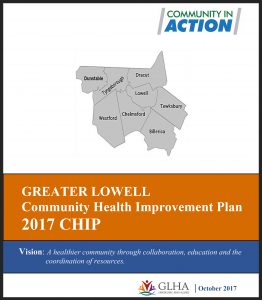
The GLHA is excited to announce the release of the first Greater Lowell Community Health Improvement Plan (CHIP). With a goal to create a long-term strategy to strengthen the area’s health systems, our CHIP will be used as road map for health improvement over a three-year period, guiding the investment of resources of organizations with a stake in improving health for the residents of Lowell and the surrounding communities. Our CHIP mission: to turn data into action and working initiatives to address our community’s top health priorities. While addressing specific health priorities, the overarching goal is always one of health equity, meeting the health needs not just for some, but for all. Learn more about the Greater Lowell CHIP.

GLHA Releases 2016 Community Health Needs Assessment

2016-needs-assessment-cover

The Greater Lowell Health Alliance released the 2016 Greater Lowell Community Health Needs Assessment at the GLHA’s 2016 annual meeting on September 28, 2016.

In partnership with the Greater Lowell Health Alliance, Lowell General Hospital in 2016 commissioned researchers and students from the University of
Massachusetts Lowell to conduct a community health needs assessment to identify the unmet medical and public health needs within the Greater Lowell community. The geographic area assessed included the communities of Lowell, Billerica, Chelmsford, Dracut, Dunstable, Tewksbury, Tyngsborough and Westford. This assessment involved primary data collection using focus groups and key informant interviews, as well as secondary data sources, such as the Massachusetts Department of Public Health MassCHIP database and the United States Census. Similar studies were conducted in 2010 and 2013.

Foundation for Action
The study had two key objectives. The first was to fulfill state and federal requirements of Lowell General Hospital to conduct a Comprehensive Health Needs Assessment every three years. The second and ultimately more important objective was to generate a study that would provide a foundation for the GLHA and its partners, including Lowell General, to build consensus on the area’s priority health needs and develop action plans to improve the health of the area’s residents.

A Plan for the Future
The study will prove useful in helping to form the Greater Lowell Health Alliance’s long-term agenda and strategy, with a goal to help meet the unmet healthcare needs and strengthen the area’s health system. In the coming year, the focus of the Greater Lowell Health Alliance will be working with the community to develop a Community Health Improvement Plan (CHIP), based on the priority areas identified in the 2016 Community Health Needs Assessment. A CHIP is used as roadmap for health improvement over a three to five-year period and guides the investment of resources of all organizations that have a stake in improving health for the residents of Lowell and the surrounding communities.

The GLHA’s first Community Health Improvement Plan forum—an opportunity to gather insights and input from various members of the community—will be held on Tuesday, November 1st, from 8 a.m. to noon, at the UMass Lowell Inn & Conference Center. All community members are invited.

GLHA Awards $200,000 in Community Health Grants

glha-2016-grant-recipients
The Greater Lowell Health Alliance awarded $200,000 in Community Health grants at the Alliance’s 2016 annual meeting.

The September 28 annual meeting was a celebration of the GLHA’s tenth anniversary as a nonprofit organizations dedicated to identifying and addressing the region’s most urgent unmet health needs.

The GLHA is proud to announce the grant awards for the Fall of 2016 to support programs and services to improve the overall health of the Greater Lowell community. Grants were awarded around the following priority areas:

• Mental Health and Mental Disorders
• Substance Abuse (Including Tobacco Use)
• Chronic Disease (e.g. Asthma, Obesity, Diabetes)
• Prevention & Screenings (e.g. Cancer, children’s nutrition)

The GLHA awarded eight grants totaling $200,000 to community-based organizations to address critical health issues in the Greater Lowell area. Below is the list of the 2016 Community Health Initiatives Grant Recipients:

  • Elder Services of the Merrimack Valley, Inc.:Greater Lowell Falls Talk
    Project – $40,000. To introduce evidence-based falls prevention program, FallScape, to the CHNA 10 communities and expand programs to reach more frail, homebound populations.
  • Habitat for Humanity of Greater Lowell: Neighborhood Revitalization
    Initiative: Building Healthy Places – $10,000. This grant will go towards the renovation portion of their Centralville neighborhood revitalization Initiative.
  •  Lowell Community Health Center: Youth Substance Use Prevention Project – $39,000. To expand ESWG activities to reduce risk factors and increase protective factors among youth through substance abuse prevention education and outreach programming reaching as many as 300 youth through education and community building activities.
  • Lowell House Inc.: Community Opioid Outreach Program (COOP) – $21,000. LHI, LPD, Lowell Fire Department and Lowell Health Department collaboration designed to addresses the opiate epidemic in Lowell. The main objective of the Community Opioid Outreach Program (“COOP”) is to conduct proactive outreach to recent overdose victims, as well as their families and connect them to treatment services in the region.
  • McCarthy Middle School, Chelmsford: Strengthening Health of Middle School Students– $16,000. Grant funding will go towards three programs designed to strengthen the social and emotional health of middle school students, to reduce the incidence of self-harm and substance use.
  • Merrimack Valley Food Bank: Operation Nourish– $10,000. A children’s feeding program in which MCFB partners with several Lowell Public Schools to address the nutritional needs of children who may struggle with hunger.
  • Mill City Grows: Farm to School Partnership Expansion – $25,000. To increase healthy habits of Lowell’s students to improve their health outcomes and decrease obesity and diet related illness.
  • Tewksbury Police Department: Regional Jail Diversion Program – $39,000. This program is designed to divert individuals with mental illness and substance abuse away from the criminal justice system and toward the appropriate psychiatric, social, and community-based services.

GLHA Announces $200,000 in Community Health Grants

The Greater Lowell Health Alliance of the Community Health Network Area 10 is pleased to offer grants for the Fall of 2016 to support programs and services to improve the overall health of the Greater Lowell community.

Up to $200,000 will be allocated to address critical health issues, with grants of between $10,000 and $100,000.

Applications are due June 24, 2016. Grant recipients will be notified by August 24, 2016.

Grants will be awarded around the following priority areas: mental health and mental disorders; substance abuse (including tobacco use); chronic disease (e.g. asthma, obesity, diabetes); prevention and screenings (e.g. cancer, children’s nutrition).

Grant awards cannot be used to fund capital or overhead expenses.


// social